When to Build a Custom Agent Runtime From First Principles
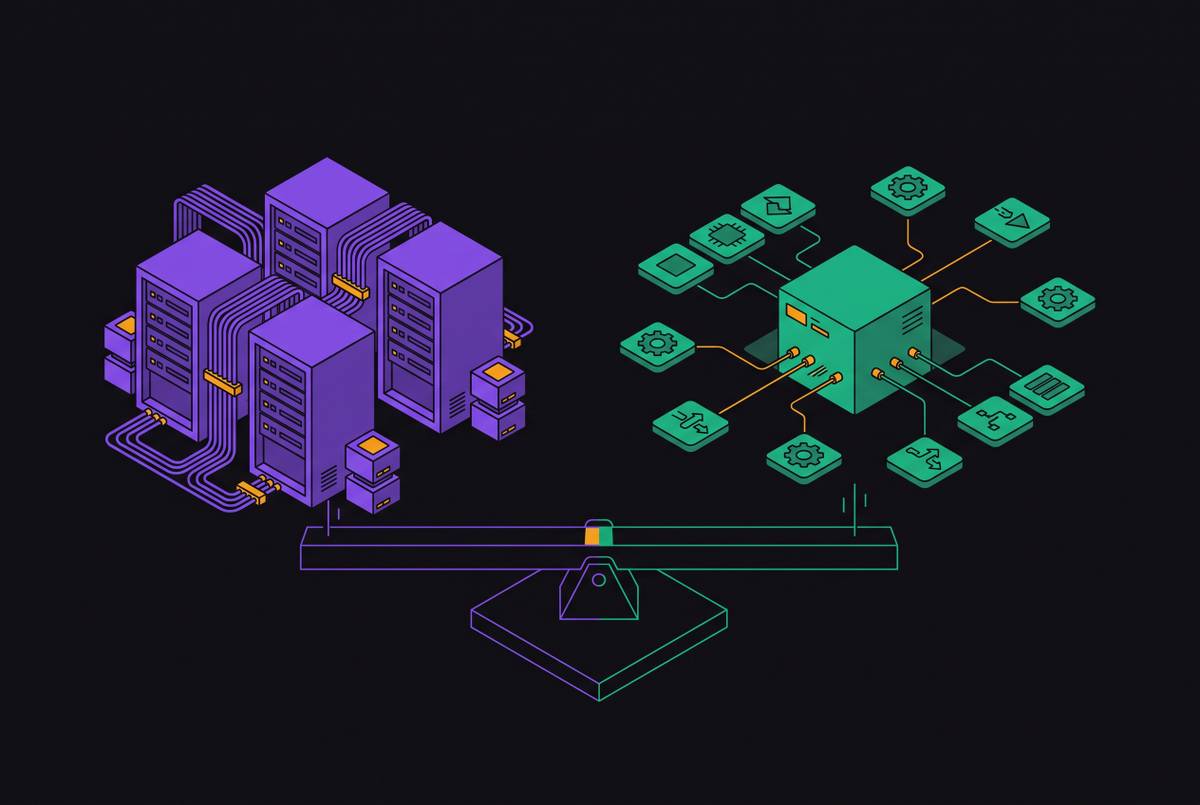
Build a custom runtime only if you control the identity layer or own the product itself.
Priya Nanthakumar
Build a custom runtime only if you control the identity layer or own the product itself.
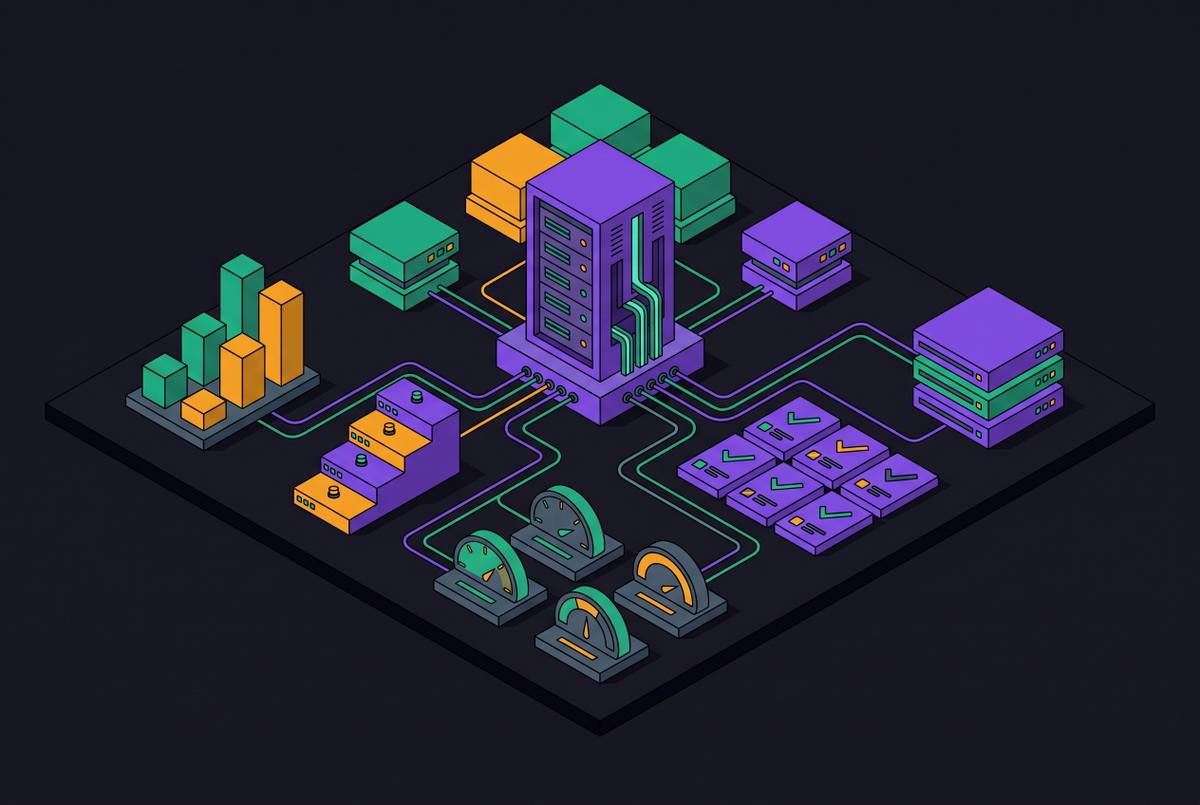
Hidden operational costs determine the true expense of agent orchestration deployments.
Five behavioral stages reveal whether your agent rollout is maturing or stalling.
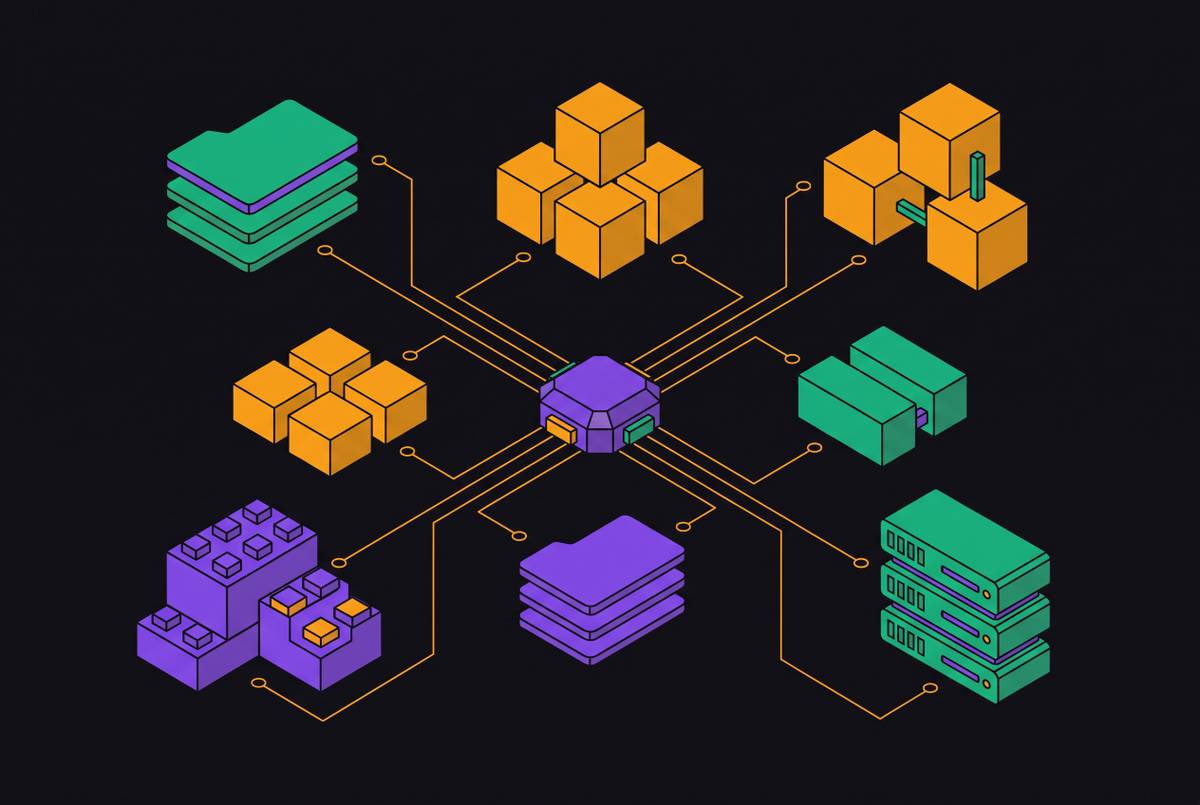
Major frameworks now support MCP natively, but implementation depth varies widely.
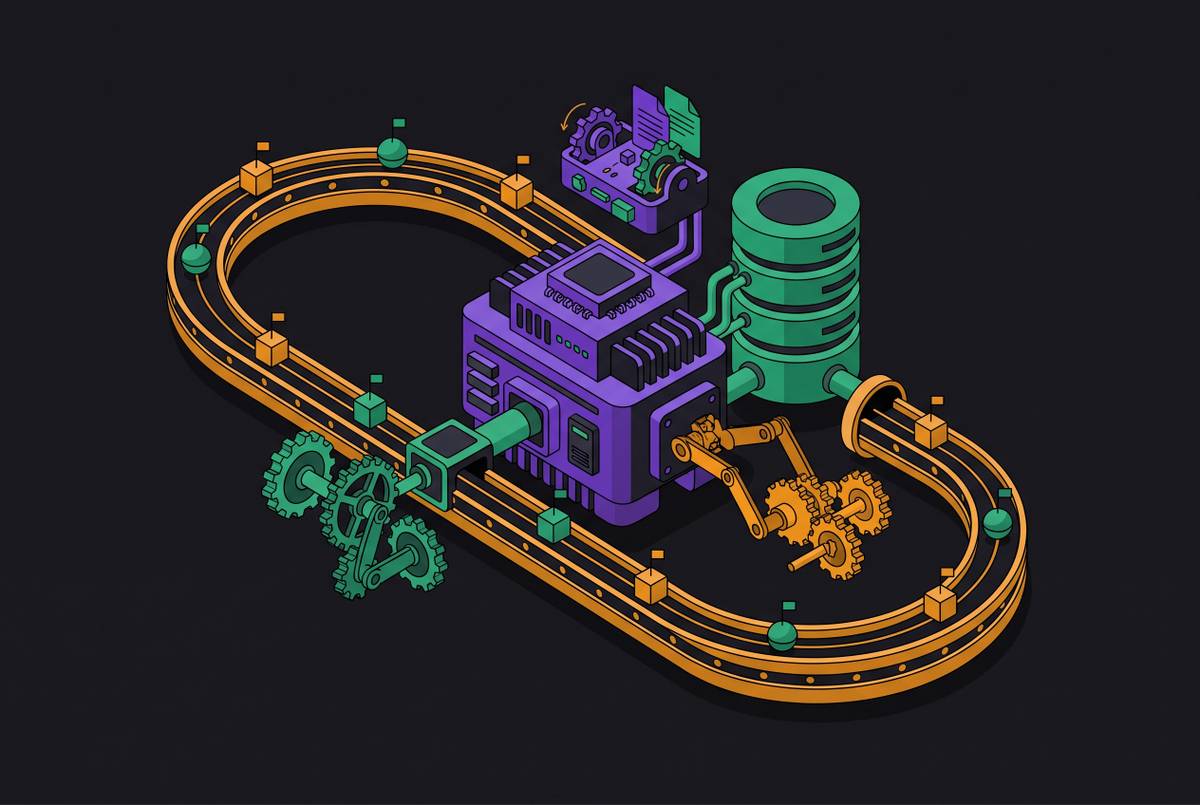
Surviving production requires runtime guarantees that model capability alone cannot provide.
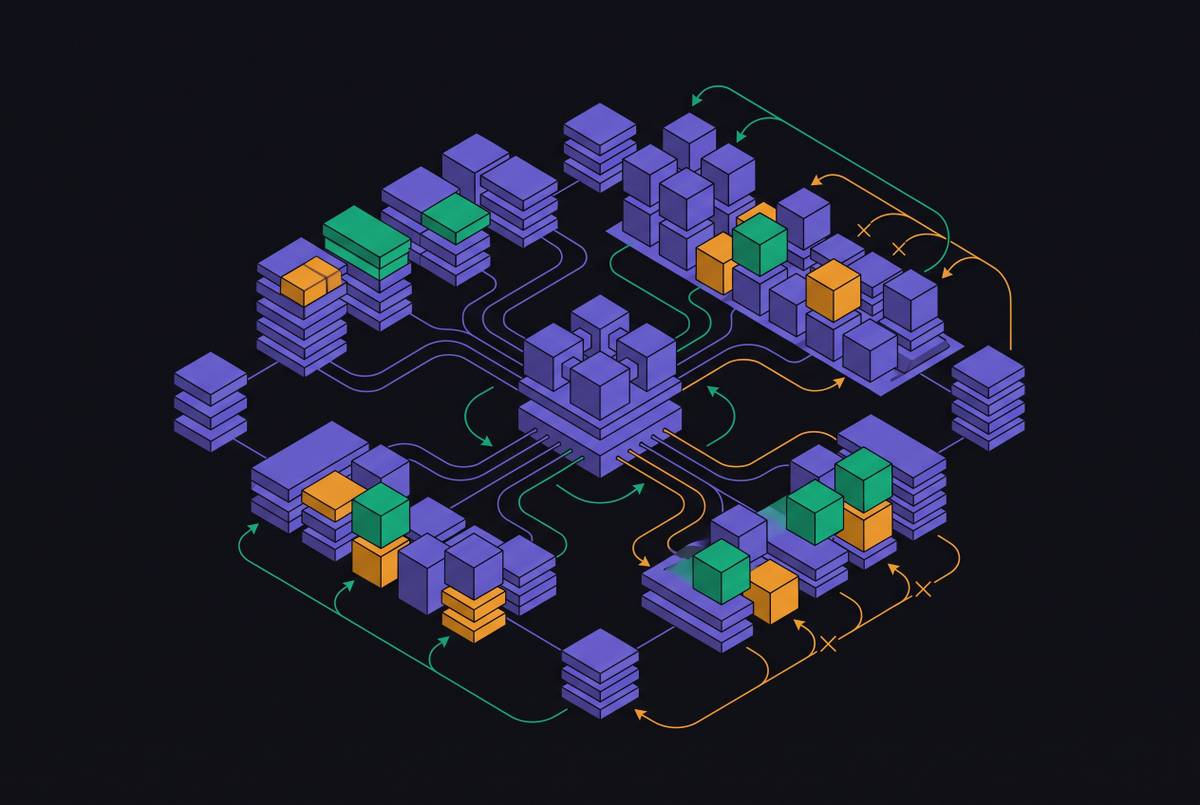
Context drift between agents breaks pipelines even when each one works perfectly alone.
Parallel tool calls cut latency, but serializing dependent calls matters more than speed.
Autonomous agents need stateful failover, not the stateless design built for single requests.
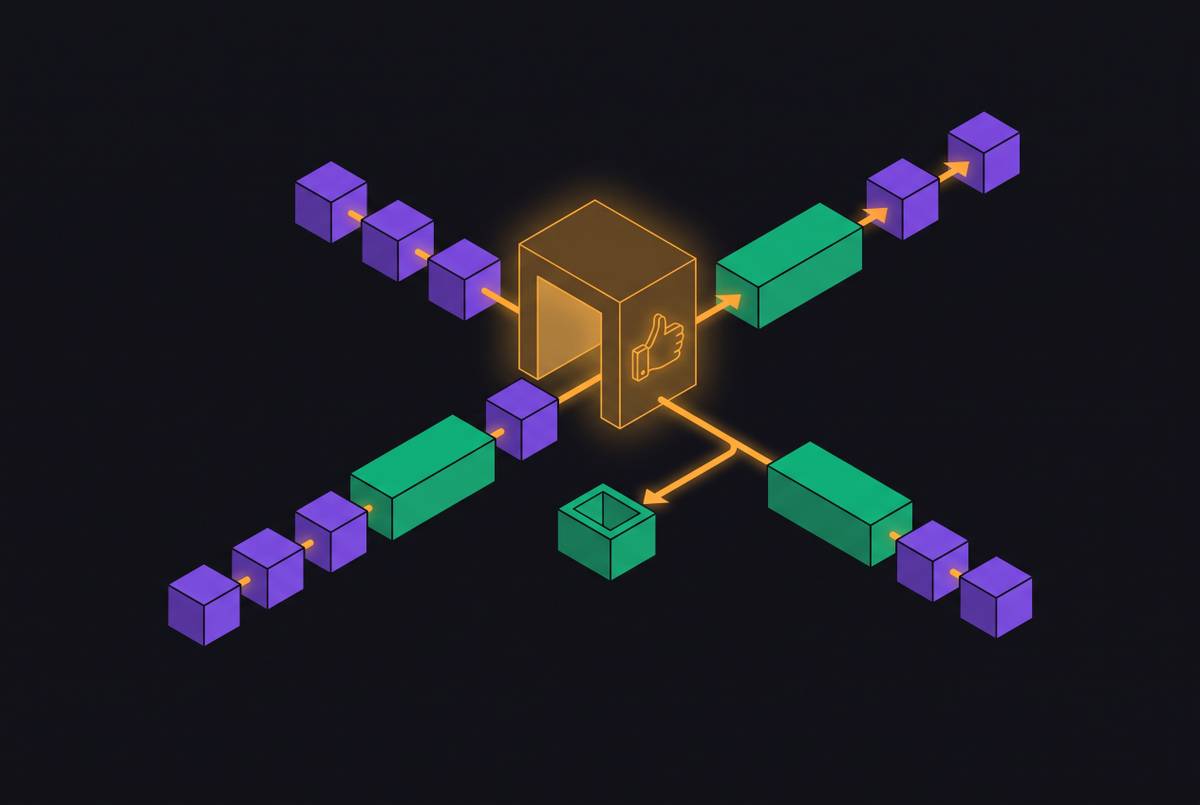
Building human approval gates into agent workflows prevents catastrophic mistakes.
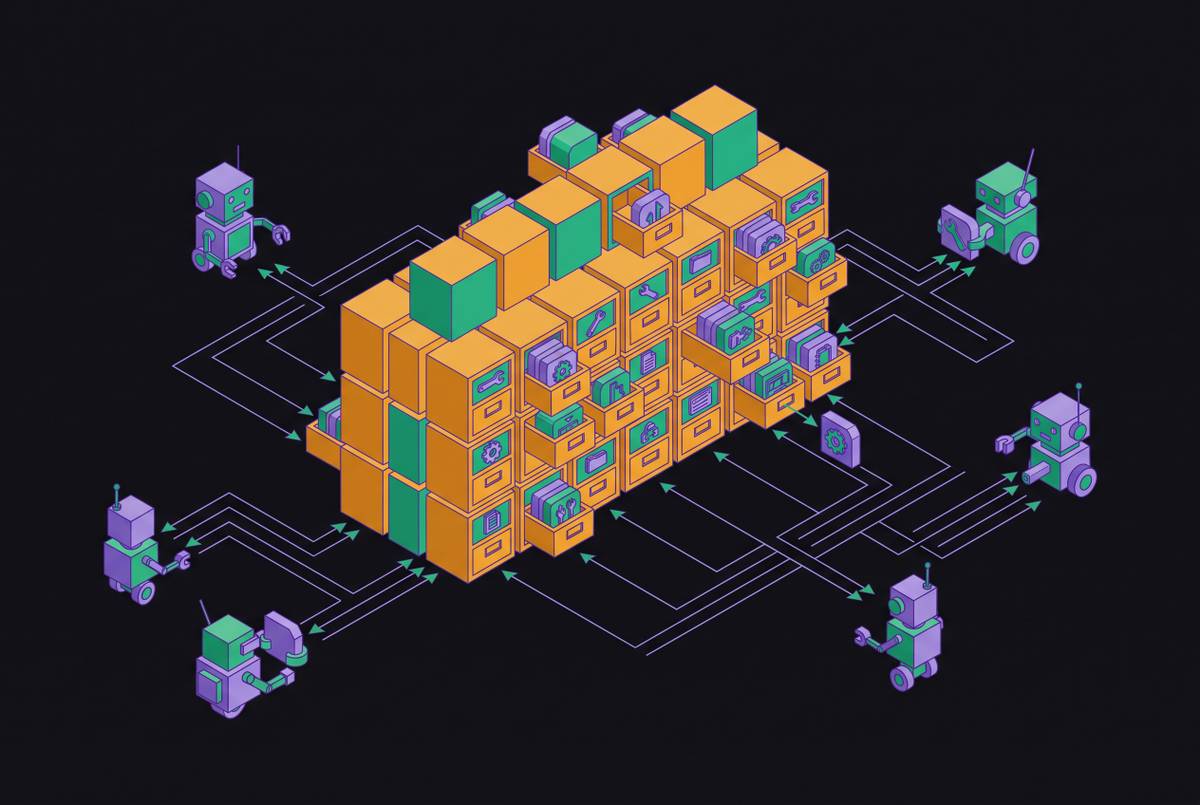
Governance and discovery infrastructure matter more than the directory itself.
Agents retrieving outdated facts with confidence can ship packages to wrong addresses.